/ Blog detail
SPACE NAMI’S LONG-TERM DEVELOPMENT STRATEGY
/ Content

If AI is the new pillar of the digital economy, then computing infrastructure is the foundation of this pillar. And that foundation is steadily approaching the physical limits of Earth.
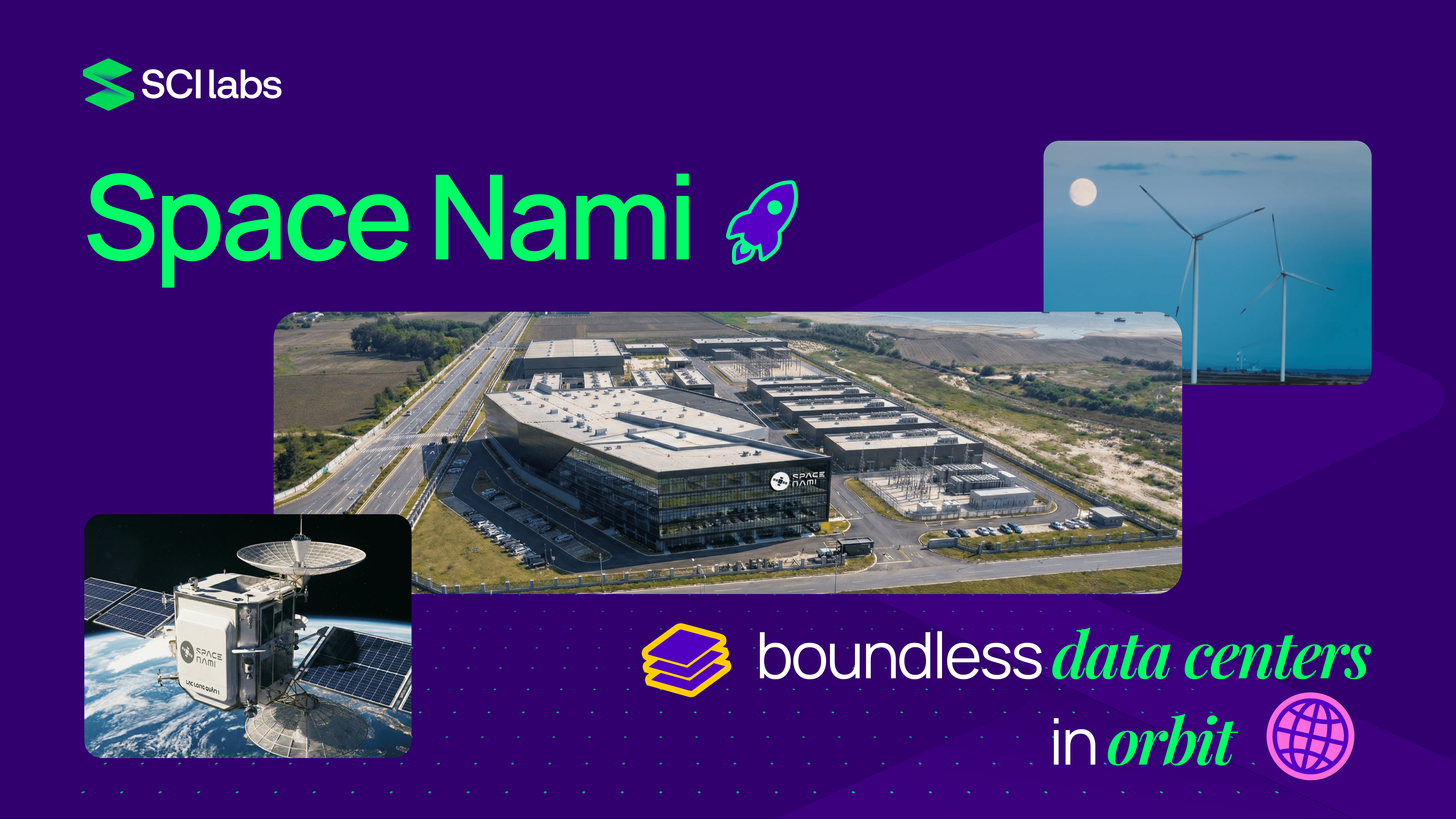
As computational demand grows exponentially, continuing to scale through traditional models is no longer the optimal solution. Space Nami takes a different approach: not merely optimizing existing systems, but redesigning hyperscale architecture from a more optimal physical environment, it is the space.
Foundational Advantages from the Space Environment
Space Nami is built upon the distinctive physical advantages offered by the space environment.
First is the abundance and continuity of solar energy. In orbit, systems can harness high-intensity solar power without relying on national power grids or being constrained by terrestrial day–night cycles. Reducing the need for complex energy storage significantly optimizes long-term operational costs.
In addition, the vacuum of space enables natural radiative cooling. As computational density continues to rise, thermal management becomes a defining factor in both performance and total cost of ownership. Efficient heat dissipation in space provides a strategic advantage for next-generation hyperscale clusters.
Scaling at the Gigawatt Level
On Earth, every data center faces constraints related to land availability, power capacity, and infrastructure planning. These limitations often require years of preparation and deployment before expansion can occur.
In space, computing clusters can be designed using modular architecture, enabling flexible, demand-driven scaling. This creates the conditions for developing AI clusters at the gigawatt scale without the pressure of local infrastructure constraints.
With this approach, hyperscale is no longer bound by geographic or terrestrial energy limitations.
Deployment Speed as a Competitive Advantage
One of the greatest barriers to traditional infrastructure expansion lies in prolonged permitting and approval processes. Meanwhile, AI development cycles are accelerating at an unprecedented pace.
By positioning itself as a complementary orbital infrastructure layer, Space Nami aims to shorten the expansion cycle of computational capacity. In the global AI race, deployment speed is not merely an operational metric, it becomes a strategic advantage.
Long-Term Vision: The Future of Data Centers Is in Space
Space Nami’s vision extends beyond deploying individual data centers in space. Its long-term objective is to establish a digital infrastructure ecosystem beyond Earth, where computing clusters can be systematically deployed, interconnected, and scaled.
If cloud computing marked a turning point for the Internet, orbital computing infrastructure may represent the next evolutionary step for AI.
In this vision, space does not replace Earth. Instead, it becomes a strategic extension layer ensuring long-term computational capacity for the global digital economy.
Space Nami is steadily laying the groundwork for a new infrastructure era where the limits of AI are no longer constrained by the limits of Earth.